
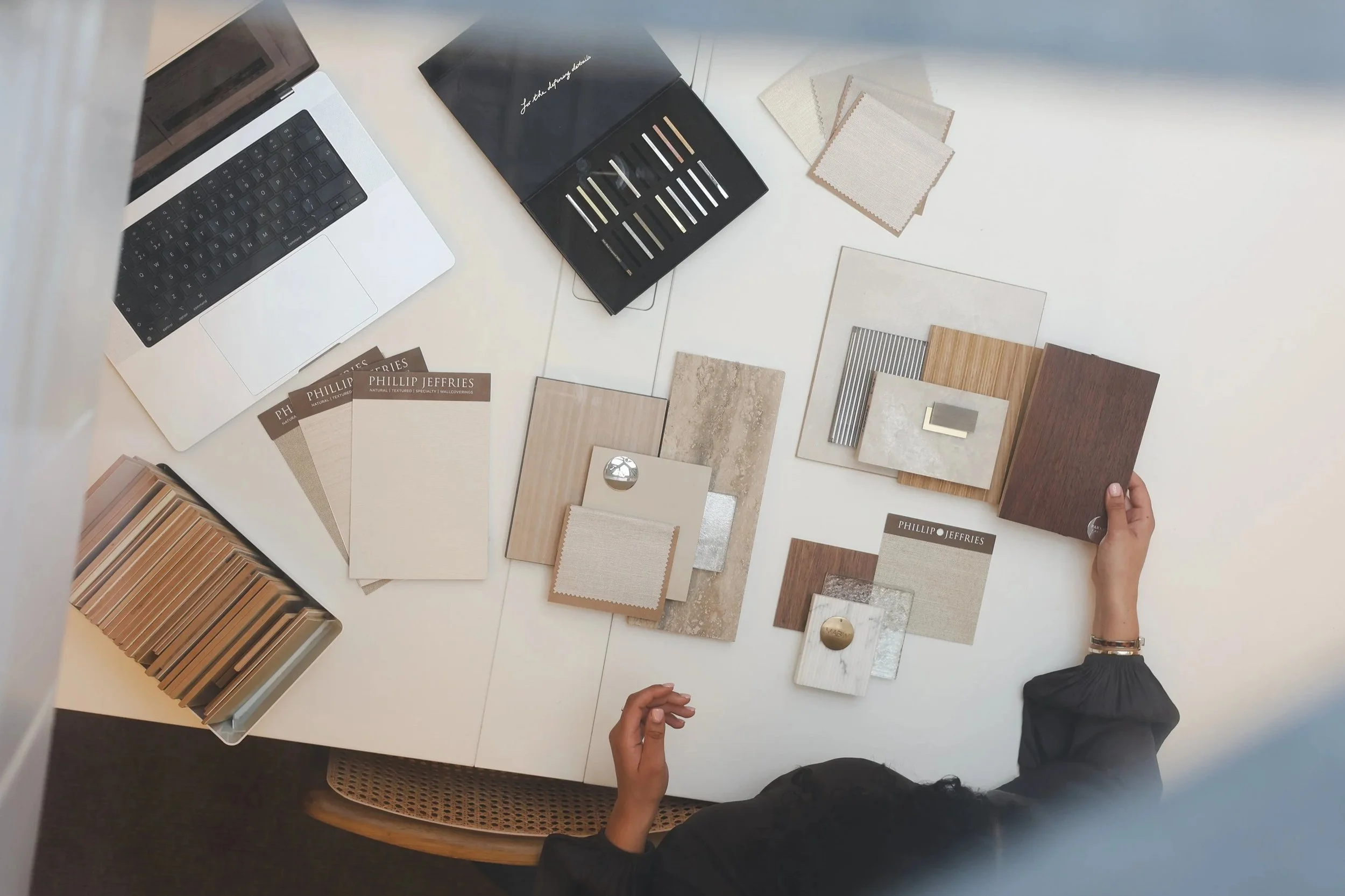
THE STUDIO | 5 MINUTE READ
THE STEP BY STEP GUIDE TO PLANNING YOUR HOME INTERIOR DESIGN PROJECT
Outstanding design begins long before you start looking at colour charts and textiles. Whether it is a private family residence, a penthouse or a sizeable development, the foundation is laid through careful project planning.
In Dubai, London, or New York, Accouter finds that the best interiors blend a property's architectural character with the people who will experience it. We plan each interior design project strategically to ensure that aesthetics, functionality, and return on investment are considered from the first meeting.

BEGIN WITH A CONSIDERED BRIEF
An exemplary interior starts with a clear knowledge of its objectives.
For private residences, this means understanding the lived experience of the people who will use the home. How does the family work, relax and welcome guests? How might the home evolve through different life stages?
For developments and investment properties, the brief may include detailed market research into the target audience, brand positioning and experiential goals.
Perceiving these priorities from the outset creates a strategic framework, so no decision is taken in isolation.
SET A REALISTIC BUDGET
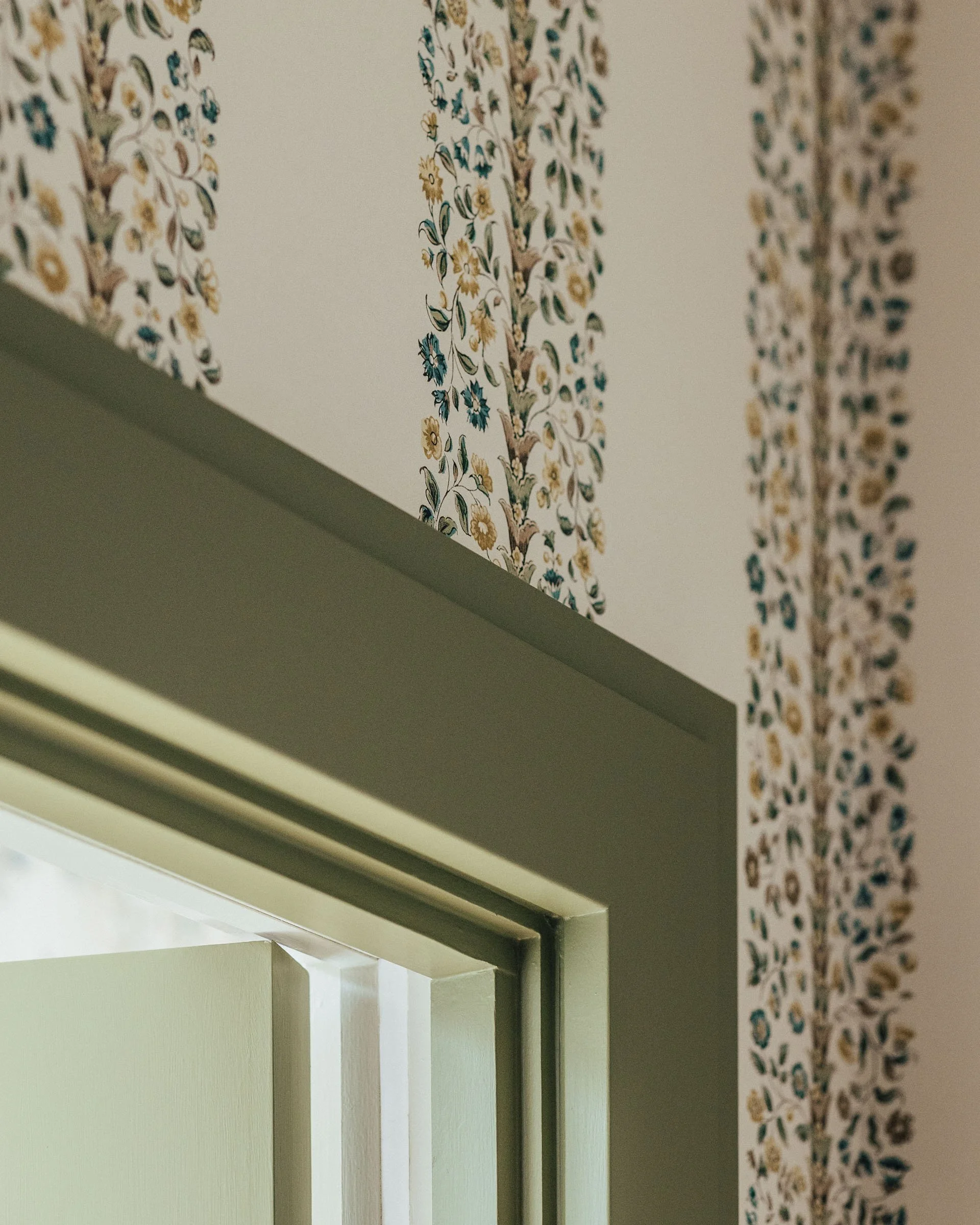
Financial planning should consider the entire project, not just decorative finishes. Joinery, lighting, fittings, flooring, furniture, artwork, procurement, transport and installation all add layers of cost.
A clear view of the budget enables the designer to identify where investment will have the greatest impact. It is not simply about buying expensive finishes throughout, but about knowing where materials, application and detailing will make the greatest difference.
Early budget planning also reduces the probability of expensive changes later.
CREATE CLEAR DESIGN DIRECTION
Inspiration is nothing without a clear identity. Designers bring together architecture, location, natural light, and context to create a distinctive design language appropriate to the client or target market. They then translate this into colour, texture, furniture, lighting, and materials, producing something tangible, unique, and appropriate to the project.
In Dubai, the climate is an important consideration: strong sunlight and the popularity of indoor-outdoor living place practical requirements on materials and finishes.
KNOW THE CORRECT SEQUENCE
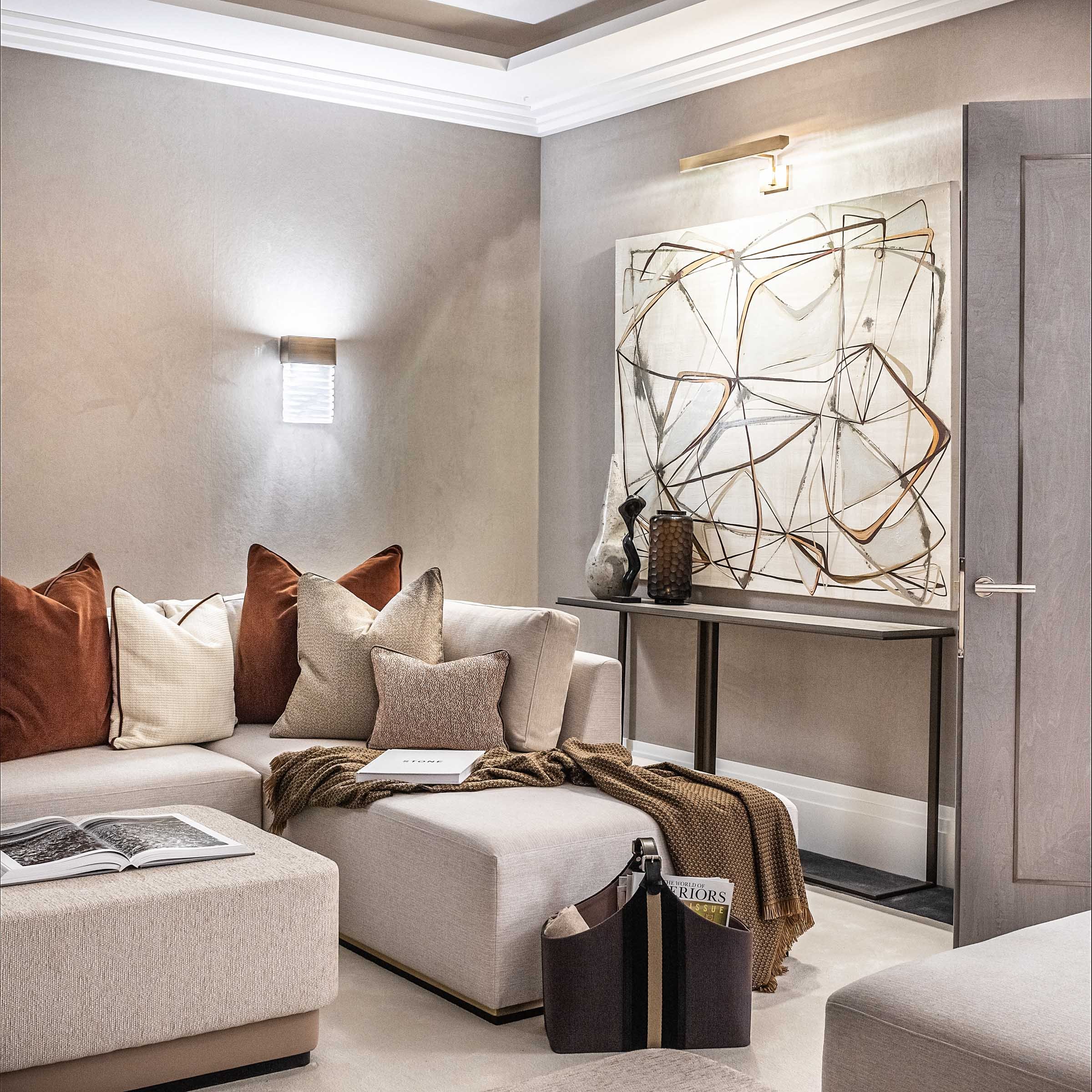
Good design takes time and depends upon a sequence of interwoven decisions.
Space planning leads to detailed design; specifications are approved before procurement; and you must allow sufficient time for fabrication or for internationally sourced furniture, which may have extended lead times.
Develop a realistic programme alongside the budget. For larger developments, it will also need to dovetail with construction, approvals and handover.
SELECT THE RIGHT TEAM
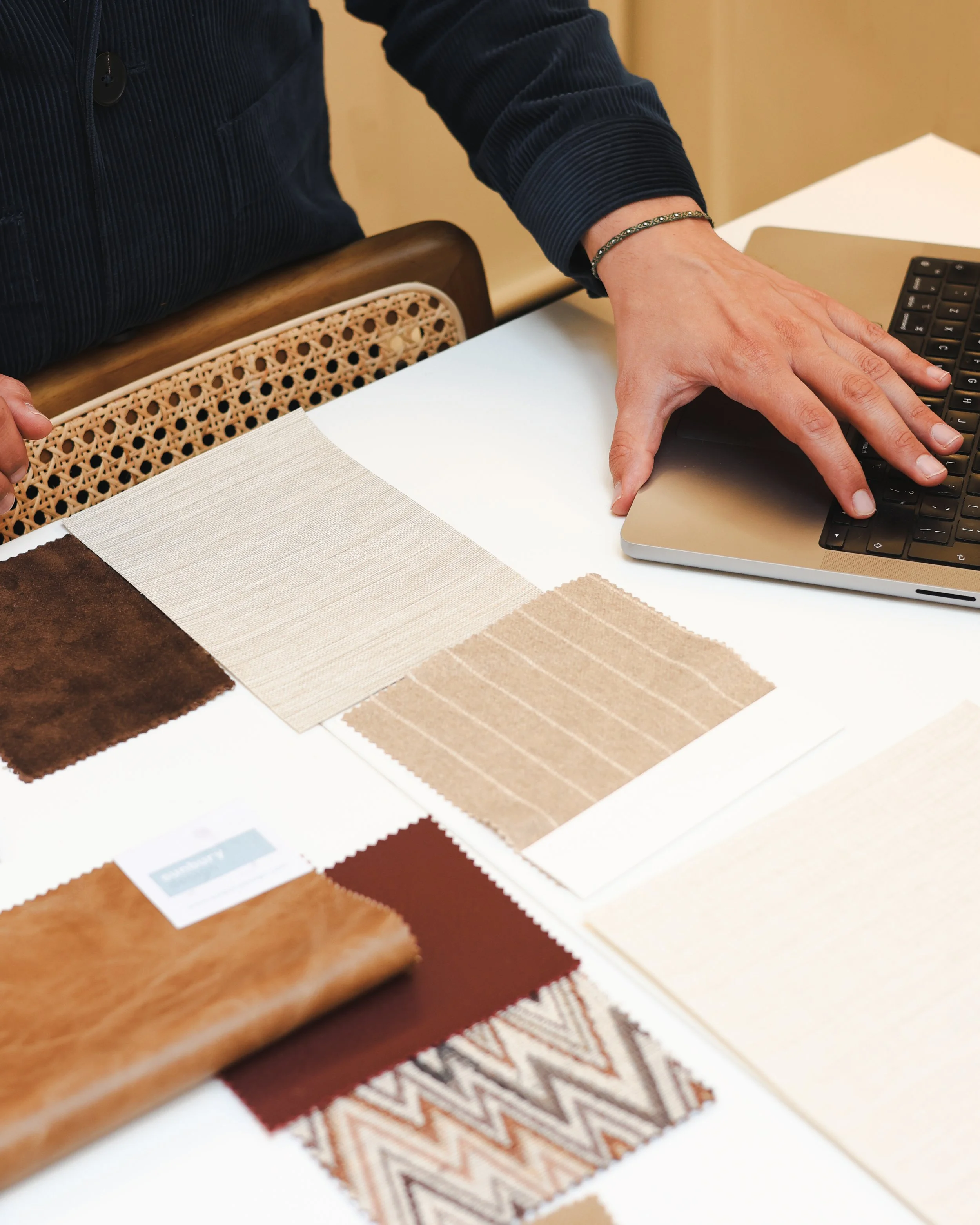
The right designer brings more than good taste. They need the skills to carry their concept through to a finished interior and to build a team around them that understands and can deliver their direction.
Look beyond the portfolio. How do they approach procurement and project management? Have they built relationships with architects, contractors and consultants? This experience can be critical to delivering the original vision through to the finished home.
CREATE AN EFFORTLESS FLOW
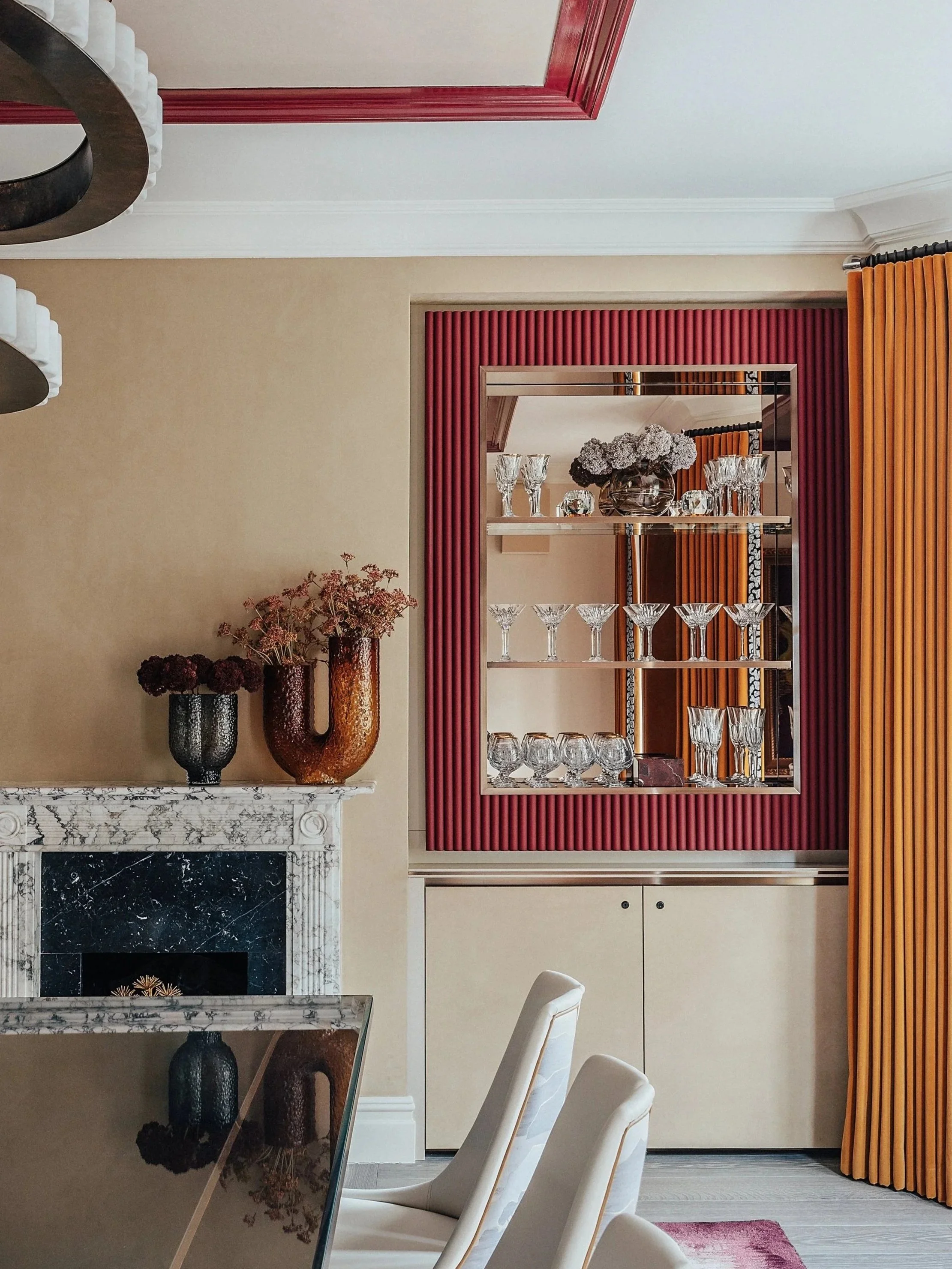
Spatial planning creates a human-centric relationship between spaces, sightlines, and circulation. When executed well, furniture placement, storage, and furnishing decisions become more intuitive.
Priorities vary by property. An apartment may need flexibility and additional storage. A penthouse can be designed to maximise views and terraces. A villa may need a clear distinction between formal as well as informal spaces, with an easy transition outdoors.
Good planning creates an effortless sense of proportion and flow.
CONSIDER TEXTURE COLOUR AND FORM
A well-planned spatial framework comes to life through a cohesive material and furniture specification.
A designer’s skill is not simply picking materials of distinction, but understanding how their materiality, proportion, and tonal qualities relate. Natural stone may serve as a counterpoint to precision steel, while finely finished timber can sit alongside cool, pale textiles.
Durability and maintenance are equally important. We hand-pick finishes suited to Dubai’s climate that retain their quality over time.
BUILD FROM DETAILED PLANS
Site coordination is where careful planning pays off. Bringing the right people and materials to site at the right time demands exact oversight.
Detailed drawings and specifications help contractors and suppliers understand the design intent, and they help identify and address potential issues quickly.
For homeowners, this makes the process less stressful. For developers and investors, it provides greater control over programme, quality and consistency.
FINISH WITH FINESSE
Finish with finesse
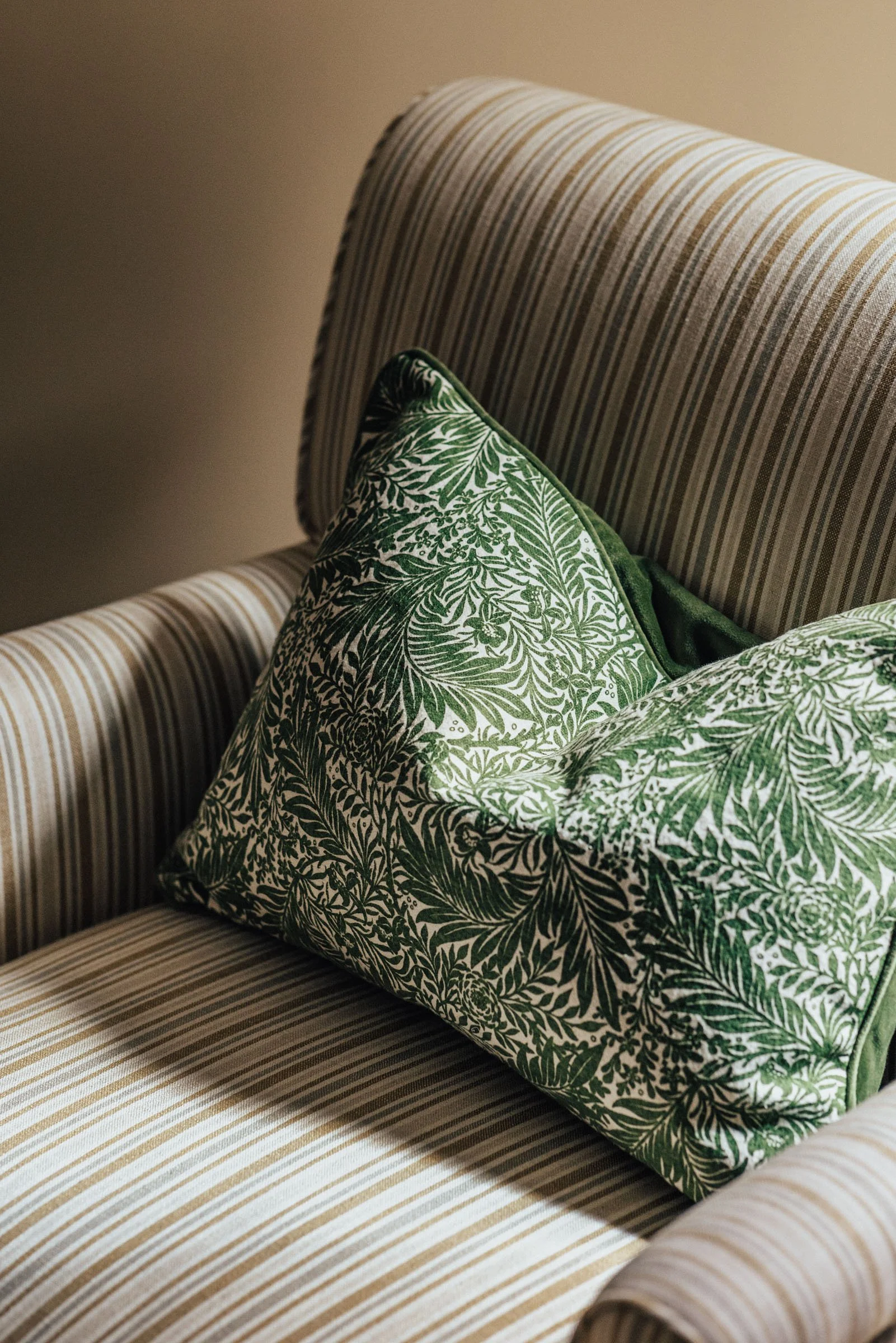
A final styling phase is the crowning glory of any interior.
Finely tuning furniture, artwork, lighting, textiles and decorative objects is a fine art. Great stylists understand the principles of composition, ensuring the final scheme seems natural and cohesive.
The whole is greater than the sum of its parts, and every element should sit effortlessly.

PLAN BEYOND THE FINISH LINE
A successful interior starts with planning, but reaches beyond handover.
For a private residence, this means a home that is
elegant , beautifully resolved and enjoyable to live in for years to come. For a property investor or developer, it means a distinct and persuasive market status, continued appeal and cost-effective long-term maintenance.
Ultimately, thoughtful interior design is not exclusively about how a property looks, although beauty and design excellence are paramount. It is also about the process, from planning to execution and beyond.
Luxury interior design for Dubai should feel coherent, considered and appropriate at every stage.